Nepal has inaugurated its first female head of government, following a week of historic and violent demonstrations that led to the collapse of the previous administration.
Sushila Karki, the nation’s former chief justice, was sworn into office late Friday to head an interim government. Her appointment comes after days of intense political negotiations and will remain in effect until new elections are held next March.
The nomination of Karki was put forward by representatives of the youth-led protest movement, whose mass demonstrations earlier in the week forced the resignation of the former prime minister and the dissolution of parliament.
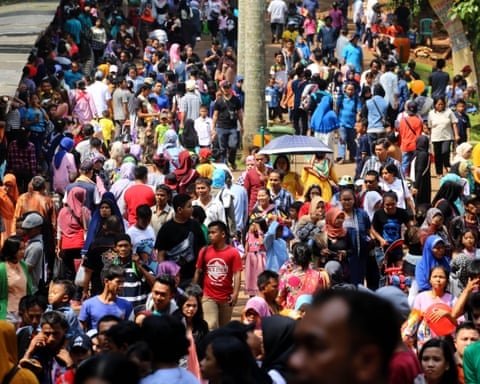
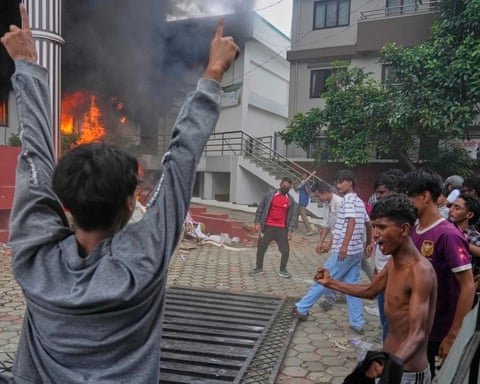
Tens of thousands of demonstrators, predominantly under the age of 30, flooded the streets beginning Monday. Their protests were initially sparked by a poorly implemented social media ban but quickly grew to encompass broader grievances over systemic corruption and political favoritism.
The government’s response turned deadly, with security forces documented using live ammunition against civilians. The clashes resulted in the deaths of 21 protesters, marking the most lethal day of civil unrest in the country’s history.
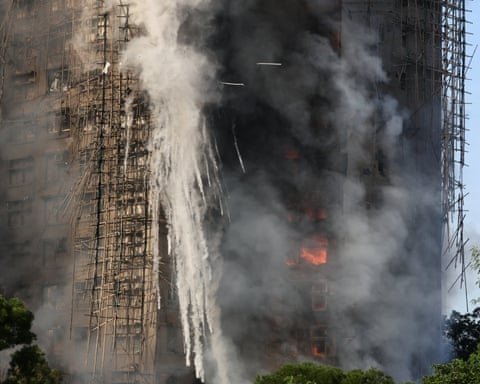
Public anger reached a peak by Tuesday, leading to the burning of parliament buildings and the residences of top officials, including the former prime minister. The capital took on the appearance of a conflict zone, and the prime minister, evacuated by military aircraft, announced his resignation that afternoon.
The rapid collapse of the government, however, left a leadership vacuum, as the protest movement lacked a formal structure or designated representatives. Following an invitation from the president and the army chief, a team of youth representatives was formed to participate in talks on forming a new government.
By Wednesday, they had selected Karki as their candidate to lead the interim administration. A highly respected legal figure, Karki had previously served as Nepal’s first female chief justice and built a reputation for pursuing high-level corruption cases. Since retiring, she has remained an influential voice in civil society.
Despite some initial political resistance, key party leaders agreed late Friday to dissolve parliament and appoint Karki as prime minister, following a warning from the army chief that a state of emergency could be declared if no resolution was reached.
The president’s office has since confirmed that general elections will be held on March 5, 2026.
Many within the youth movement are now urging the new prime minister to launch corruption investigations into former officials and to open a formal inquiry into the protester deaths.
One youth representative involved in the negotiations expressed cautious optimism, stating that the country is transitioning “from a phase of destruction to a phase of construction,” and emphasizing that rooting out deep-seated corruption will be a gradual process.