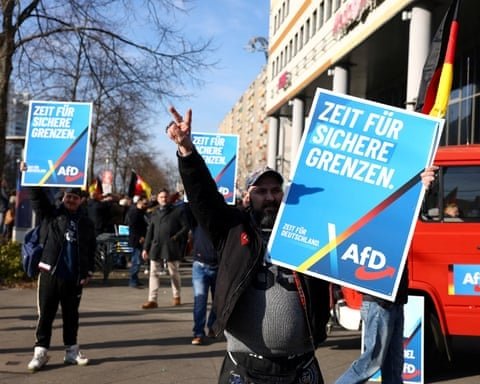
A new global analysis indicates that political campaigns in a majority of the countries studied featured discriminatory language targeting LGBTQ+ communities. The research, which examined electoral processes across 60 nations and the European Union, found that politicians in at least 51 countries employed homophobic or transphobic rhetoric during the last electoral cycle.
These tactics frequently involved framing LGBTQ+ identities as foreign imports or attacking so-called “gender ideology.” This trend appears to be part of a broader pattern where conservative political movements increasingly use sexual orientation and gender identity as divisive campaign issues.
Despite this challenging environment, the report also documented significant progress in political representation. Openly gay, bisexual, and transgender candidates stood for office in at least 36 countries, marking historic firsts in nations including Botswana, Namibia, and Romania. Brazil saw particularly notable gains, with the number of openly LGBTQ+ elected officials doubling to more than 230.
The study identifies what researchers describe as a coordinated, well-funded international effort to marginalize LGBTQ+ people, with similar rhetoric emerging across continents from Latin America to Europe. This phenomenon often coincides with broader democratic backsliding, where attacks on minority communities serve as early indicators of eroding democratic norms.
Campaigns featured substantial financial investments in anti-transgender advertising, with one nation’s political parties spending hundreds of millions on broadcast television ads alone. In several countries, candidates faced coordinated online harassment campaigns, while in others, mainstream political parties competed to present themselves as the strongest defenders of “traditional values” against perceived external threats.
The findings suggest that as LGBTQ+ visibility has increased globally, it has triggered a powerful backlash from conservative elements within societies, with political figures often scapegoating sexual and gender minorities for broader social problems.