A wave of political repression has swept Tanzania, once considered a bastion of stability in East Africa, following a deeply flawed presidential election. The country’s leadership stands accused of orchestrating a violent crackdown on dissent, with reports of mass killings, enforced disappearances, and systematic efforts to conceal the true scale of casualties.
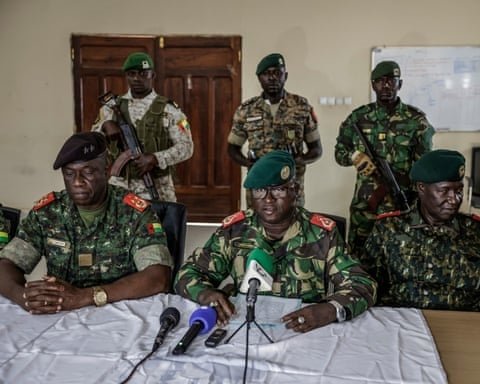
The recent electoral process was marred by the arbitrary arrest and disqualification of major opposition figures, a near-total internet shutdown, and the heavy deployment of military forces. Official results, which awarded the incumbent an implausibly high vote share, were immediately challenged by regional observers and civil society groups, who declared the process neither free nor fair.
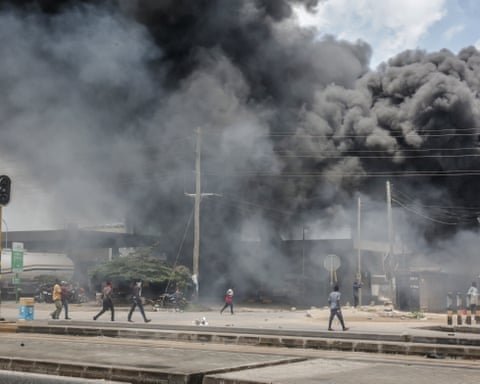
In the aftermath, protests erupted in urban centers, met with lethal force by state security personnel. Eyewitness accounts describe soldiers firing on unarmed civilians, nighttime raids on homes, and morgues overwhelmed with casualties. While the government denies any wrongdoing, evidence circulating among human rights organizations suggests a death toll far higher than officially acknowledged—with some estimates reaching into the thousands.
Several prominent activists and opposition members have vanished or been found dead under suspicious circumstances, pointing to a coordinated campaign of intimidation. There are also credible allegations that mass graves have been dug to hide evidence of the killings.
This democratic backsliding in Tanzania reflects a troubling regional trend. From Uganda—where a long-serving leader again seeks to extend his tenure—to the devastating conflicts in Sudan and the Democratic Republic of Congo, governance failures and violent power struggles threaten to undermine Africa’s economic potential.
If the continent is to realize its promise of growth and development, international bodies and regional blocs must urgently intervene. Accountability for human rights abuses and a renewed commitment to democratic norms are essential. The future of Africa depends not only on economic investment but on protecting the fundamental freedoms of its people.