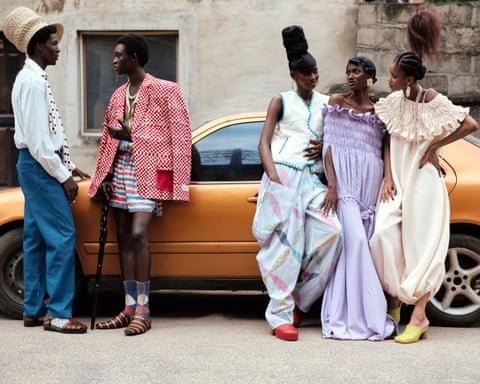
The rhythmic pulse of traditional Yoruba drums set the stage for what has become one of fashion’s most dynamic international events. Against the backdrop of Lagos’ Federal Palace Hotel, designers presented collections that blended ancestral craftsmanship with contemporary design, signaling Nigeria’s growing influence on the global fashion landscape.
Now in its fifteenth year, this five-day showcase has evolved from humble beginnings into a must-see event attracting over 15,000 attendees and featuring more than seventy designers. What distinguishes the Nigerian fashion week isn’t merely its scale, but its distinctive approach to community building, cultural preservation, and sustainable innovation.
The platform has served as a launchpad for numerous designers who have since gained international recognition. Brands like Orange Culture have dressed global celebrities while reshaping conversations around identity and masculinity through fashion. Other success stories include designers who have transformed traditional Nigerian textiles like Akwete and Ankara into modern luxury pieces that have graced runways from Milan to New York.
What truly sets the event apart is its commitment to addressing pressing social and environmental issues through fashion. Designers consistently use their platforms to explore themes of sustainability, gender identity, and craft preservation. This season featured collections that transformed recycled materials and discarded fabrics into striking artistic statements, demonstrating how creative limitation can become a catalyst for innovation.
The event’s dedication to sustainable practices extends beyond individual collections through initiatives like Green Access, which mentors emerging designers in circular fashion principles, and Woven Threads, which explores responsible consumption through community-focused exhibitions. This commitment recently earned the platform international recognition and a significant award in the “Build a Waste-Free World” category.
Unlike traditional fashion capitals where legacy houses and massive budgets dominate, the Nigerian fashion scene thrives on community collaboration and storytelling. This approach has created space for genuine creative innovation, with designers drawing from deeply rooted cultural narratives to create work that resonates globally while remaining authentically African.
The event’s founder emphasizes that fashion’s true power lies in its ability to generate employment, preserve cultural heritage, and transform lives. This philosophy underpins an event that continues to prove fashion can be both aesthetically compelling and socially responsible, positioning Lagos not just as a fashion destination, but as a model for the industry’s future.