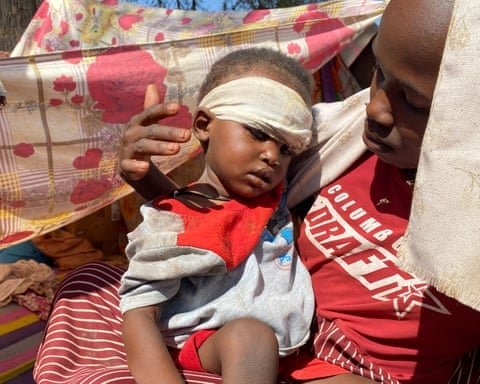
The United Nations has issued a stark warning that Sudan’s civil war is descending into uncontrollable violence as humanitarian conditions deteriorate dramatically. UN leadership described the situation as “spiraling out of control” with hundreds of thousands of civilians trapped in conflict zones facing severe malnutrition, disease, and systematic violence.
Recent developments indicate the conflict has reached a critical juncture following the capture of El Fasher in Darfur after an 18-month siege. This strategic victory gives paramilitary forces control over all five regional capitals in Darfur, raising concerns about potential territorial partition along east-west lines.
The humanitarian impact has been catastrophic, with over 150,000 fatalities and more than 14 million people displaced from their homes. International prosecutors are now gathering evidence of alleged mass killings, rape, and other atrocities committed during the recent fighting.
Diplomatic efforts to establish a ceasefire have encountered significant obstacles. While international mediators have proposed a three-month humanitarian pause followed by a permanent ceasefire and transition to civilian governance, military leadership remains divided over the terms. Some commanders insist any truce must be conditional on paramilitary withdrawal from urban centers, while others advocate for designating opposing forces as terrorist organizations and implementing arms embargoes.
The situation in El Fasher has drawn particular concern, with reports emerging of systematic violence against civilians, including incidents within medical facilities. Witness accounts describe fighters openly documenting atrocities against non-combatants.
As international pressure mounts, the conflict continues to expand into previously peaceful regions, with combatants explicitly naming additional communities and ethnic groups as future targets. The UN emphasizes that immediate action is required to prevent further humanitarian catastrophe and bring warring parties to negotiations.