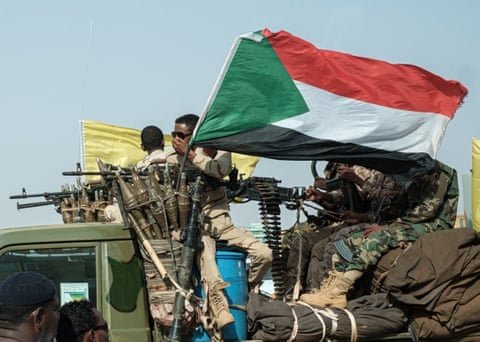
Evidence presented to the United Nations Security Council reveals that British-manufactured military equipment has been recovered from battlefields in Sudan, where it was being used by the Rapid Support Forces (RSF). This paramilitary group stands accused of committing genocide in the ongoing civil war.
The findings, detailed in two separate dossiers submitted to the council, identify UK-made small-arms target systems and engines for armoured vehicles among the matériel. This discovery has intensified scrutiny of Britain’s arms export policies, particularly concerning shipments to the United Arab Emirates (UAE), a nation repeatedly accused of funnelling weapons to the RSF.
Despite previous UN documentation suggesting the UAE may have diverted British equipment to the Sudanese militia, records indicate the UK government subsequently approved additional export licenses for identical categories of military gear to the Gulf state. The approvals included an “open individual export licence” granted in September 2024, which permits unlimited exports without mandatory end-use monitoring.
Analysts point to a troubling pattern. British-made engines, specifically designed for a type of UAE-manufactured armoured personnel carrier, were also identified in the conflict zone. This is notable as the UAE had previously deployed these same vehicles in Libya and Yemen in violation of UN arms embargoes, a fact known to British authorities.
The conflict, now in its third year, has created the world’s largest humanitarian crisis, resulting in at least 150,000 deaths and displacing over 12 million people. Both warring factions have been accused of widespread atrocities against civilians.
Legal experts emphasize that UK and international treaty law obligates the government to deny arms exports where there is a clear risk of diversion or their use in international crimes. Critics argue that the documented history of arms diversion by the UAE should have precluded these export licenses from being issued.
A spokesperson for the UK’s Foreign, Commonwealth and Development Office stated that the country maintains one of the world’s most robust export control regimes and that all licenses are assessed for diversion risks. They noted that licenses to the UAE are regularly refused on this basis, though specific cases are not disclosed.
The companies named in the reports have stated that all their exports are fully licensed by UK authorities and deny any wrongdoing. The UAE government has consistently denied providing military support to the RSF.