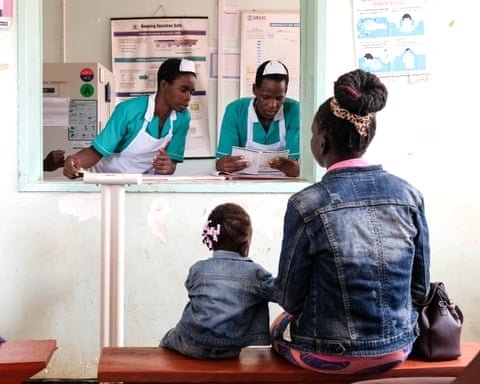
A resurgence of malaria threatens to reverse decades of progress, with new warnings suggesting nearly a million additional lives could be lost annually by 2030. The mosquito-borne disease remains a leading cause of death in Africa, claiming the lives of hundreds of thousands of children and pregnant women each year.
This alarming forecast comes as international aid for malaria control is being scaled back. A recent expert analysis highlights the devastating human and economic cost of these reductions. The report indicates that meeting global funding targets by 2030 could prevent 1.86 million deaths and boost African economies by $231 billion. Conversely, a severe cut in financial support could lead to 990,000 additional fatalities and an $83 billion economic loss.
The situation is being compounded by environmental and biological challenges. Climate change is expanding the habitats of malaria-carrying mosquitoes, while the parasites themselves are developing resistance to frontline treatments. This dual threat is closing a critical window of opportunity that existed when antimalarial drugs were more effective.
While vaccines offer a new line of defense, providing about 50% protection against fatal outcomes in the first year, they do not halt the transmission of the disease. This underscores the continued importance of robust, multi-pronged control programs.
The potential for a dramatic backslide is now a real possibility. Some nations have already announced significant reductions in their contributions to global health funds. With cases already on the rise, the international community faces a stark choice: recommit to the fight against this preventable disease or risk a catastrophic reversal of hard-won gains. The lives of the most vulnerable hang in the balance.