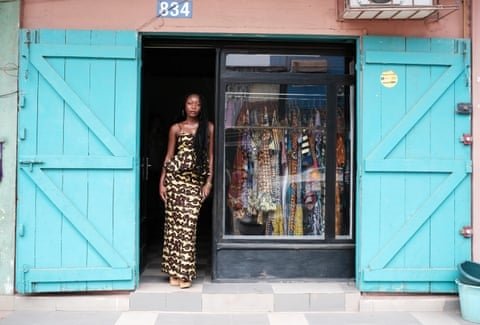
In Abidjan, a quiet cultural movement is gaining momentum as young archivists work to safeguard the music and fashion legacies that define generations of Ivorian life. Through dedicated preservation efforts, these individuals are ensuring that Africa’s vibrant pop culture history remains accessible for future generations.
One initiative, launched in 2020, focuses on documenting the distinctive aesthetics of Ivorian women in media. The project gained widespread attention after a popular entertainer shared one of its creations, leading to significant growth in its following. Today, it organizes film screenings in Abidjan and nearby towns and has expanded into branded merchandise.
A significant portion of the collection highlights early 2000s fashion trends, particularly low-rise jeans and chain belts, which became iconic across the continent through the influence of television and international music stars. Local celebrities embraced the style, cultivating devoted fan bases throughout French-speaking Africa.
“My goal was to showcase the contributions my country has made to audiovisual culture,” explained the project’s founder.
Near Cocovico market, where the sounds of popular Ivorian music fill the air, another archivist runs a center dedicated to preserving the nation’s musical heritage. The space houses hundreds of records and cassettes from legendary Ivorian artists, alongside works by other Black musicians from across the globe.
“Approximately 95% of this collection features music created by Black artists for Black audiences,” said the founder, a multidisciplinary artist who also works as a DJ and producer. He emphasized the urgency of their mission: “Western artists like Pink Floyd and the Beatles are well-documented in museums, but many of our own cultural artifacts are disappearing.”
Both archivists share a common philosophy: that Africans must take the lead in documenting their own stories. “It is every African’s responsibility to preserve this heritage,” the music archivist stated.
His passion for collecting began early, influenced by his father’s scientific work and fueled by connections with international music enthusiasts during his studies abroad. He began collecting vinyl records while in art school, researching the origins of samples heard on radio broadcasts.
The archive center, named for a language spoken by a substantial portion of the Ivorian population, opened in 2023. It began with records inherited from his late uncle, a doctor who collected music during travels across Africa. The center operates by appointment, allowing visitors to explore the collection at their own pace.
During visits, he shares stories about the artists and the historical context of their work while playing records on vintage equipment. He actively searches for forgotten recordings through newspaper and radio advertisements, though finding quality records has become increasingly difficult.
“Vinyl collecting is becoming a hobby for the wealthy,” he noted, pointing to certain African albums that now sell for thousands of dollars internationally. “Many of the best original recordings from the 70s and 80s are no longer in Africa—they’re in Europe and America, selling at much higher prices.”
The fashion archivist’s interest in preservation was also shaped by family influence. Her mother, though frequently traveling for work, encouraged her curiosity from the beginning. “When I started this project, she was my first supporter,” she recalled.
Both initiatives collaborate with other art enthusiasts and have plans for expansion. The music archivist has hosted listening sessions for researchers and lent rare records to exhibitions. He envisions creating a larger space that could host live performances and workshops on audio preservation.
The fashion archivist is developing archives focused on female athletes and hopes to partner with visual artists on projects exploring forgotten West African cinema. During a recent international football tournament in Ivory Coast, she was encouraged to see people wearing her project’s merchandise.
She aims to expand her research to include how historical events, including periods of conflict, have influenced fashion and self-expression. “I’m interested in how such eras shape our physical presentation—how we dress and what we choose to wear,” she explained.