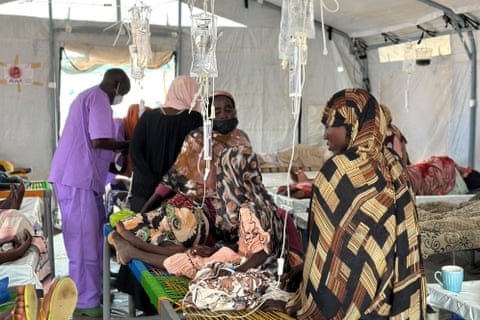
A severe cholera epidemic is claiming dozens of lives weekly in Sudan, with medical facilities pushed beyond their limits. Health workers report treating patients on floors as bed capacity is exhausted, a direct consequence of the nation’s protracted conflict.
The primary driver of the outbreak is the consumption of contaminated water, a grim reality for countless families displaced by violence. In one harrowing account from a camp in North Darfur, a well used for drinking water was found to contain a human corpse just days prior.
Since its official declaration a year ago, the epidemic has led to nearly 100,000 suspected infections and over 2,400 fatalities. The crisis is exacerbated by mass displacement and seasonal rains, which further compromise water sources and sanitation infrastructure.
The situation in the town of Tawila illustrates the scale of the disaster. A single hospital, designed for 130 patients, was forced to care for 400 individuals in one week. A recent influx of hundreds of thousands of people fleeing conflict zones has placed immense pressure on the area’s scarce resources, with water availability falling far below emergency standards.
Shortages of clean water make basic hygiene unattainable, accelerating the disease’s spread from displacement camps into wider communities across the Darfur region. Similar alarming trends are being observed in neighboring Chad.
Health officials are issuing urgent appeals for a massive international mobilization to bolster healthcare, restore water and sanitation services, and launch vaccination campaigns. The central plea is that those who have survived the horrors of war should not now perish from a entirely preventable disease.