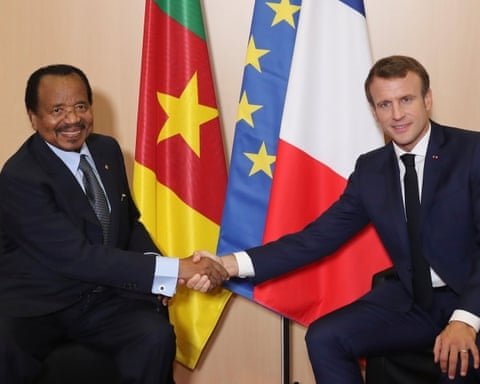
France has formally recognized its involvement in the violent suppression of Cameroonian independence movements over several decades, marking a significant step in addressing its colonial history. In a letter to Cameroon’s president dated July 30, the French leader stated it was his duty to “assume the role and responsibility of France in these events.”
The correspondence, made public this week, presented conclusions from a joint historical commission that examined colonial-era repression spanning from 1945 to 1971. The investigation also documented atrocities committed by Cameroon’s post-independence government, which maintained close ties with France during this period.
Historical research confirmed that French colonial authorities and military forces conducted violent operations across multiple regions of Cameroon, with French support continuing even after the nation gained nominal independence in 1960. The commission’s comprehensive report documented decades of conflict that resulted in tens of thousands of casualties, including the targeted killing of prominent independence advocates.
While acknowledging historical responsibility, the French government stopped short of offering formal apologies or discussing compensation for affected communities. The joint commission, established following high-level diplomatic talks, submitted its findings earlier this year after extensive research.
Cultural figures involved in the process emphasize that this acknowledgment represents only the initial phase of a longer reconciliation effort. They advocate for national mourning ceremonies, proper burial for victims, and the integration of this history into educational curricula to ensure broader public understanding.
This development occurs amid growing scrutiny of colonial histories across former French territories in Africa. Recent years have seen increased demands for historical accountability, accompanied by rising anti-French sentiment in several Francophone nations.
The current French administration has taken several symbolic steps toward addressing colonial legacy, including the return of cultural artifacts to their countries of origin and opening discussions about historical injustices in other former colonies. However, critics note these gestures often lack concrete measures for comprehensive reconciliation.
Historians suggest that meaningful reckoning requires transitioning from cultural restoration to addressing broader historical debts. As one commission member noted, this moment represents Africa’s ongoing process of confronting its past to navigate future challenges with greater clarity and purpose.